



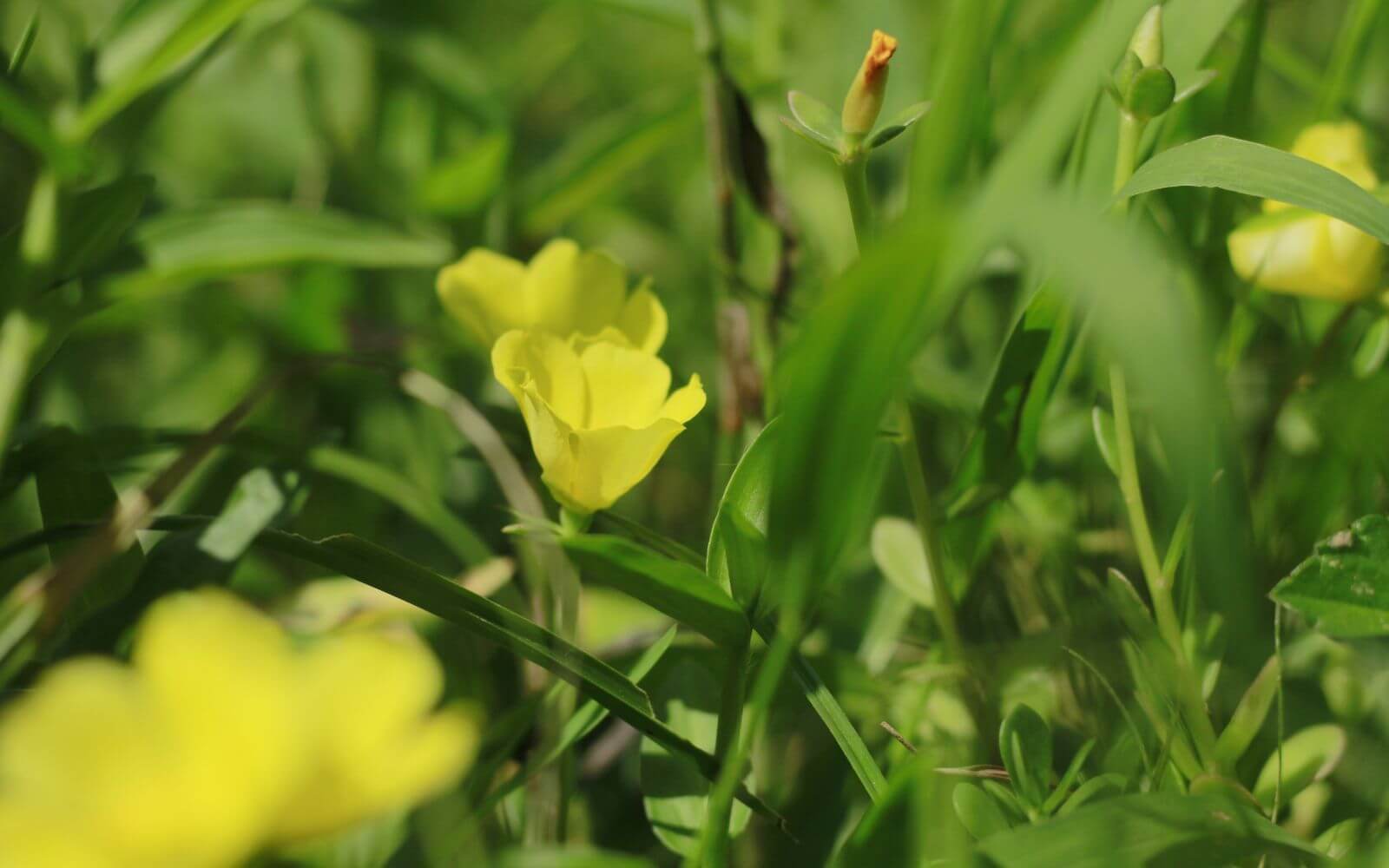
The Common Evening Primrose – a versatile medicinal plant with modern relevance
Although it has long been more than just a classic wild plant, the common evening primrose is once again coming into focus in medicine and research as the Medicinal Plant of the Year 2026. Its potential ranges from dermatological applications to hormone-related uses.
At the center of attention is evening primrose oil, which is extracted from the seeds. Due to its specific fatty acid composition, it plays an important role in phytotherapy.
Active compounds with functional significance
The key constituents are found in the plant’s seeds. The oil obtained from them is rich in essential omega 6 fatty acids, especially:
• Gamma-linolenic acid (GLA) (approx. 8–14%)
• Linoleic acid
These fatty acids are not only structural components of cell membranes but also precursors of biologically active signaling molecules. For example, the body can convert GLA into prostaglandin E1 – a molecule that supports anti-inflammatory processes, influences vascular function, and contributes to stabilizing the skin barrier.
Focus on skin health
The best-studied application of evening primrose oil is in atopic dermatitis (eczema). Standardized preparations are used to alleviate typical symptoms such as itching, dry skin, and inflammatory skin reactions.
The oil is also well established in dermatology and cosmetics, where it is valued for its soothing and moisturizing properties.
Additional areas of application
Beyond dermatology, evening primrose oil may also help with hormone-related conditions, such as premenstrual syndrome (PMS), breast pain (mastalgia), and menopausal symptoms.
The underlying hypothesis is that prostaglandins derived from GLA may exert anti-inflammatory, antispasmodic, and hormone-modulating effects.
Edible, versatile, and well tolerated
An often overlooked aspect: the common evening primrose is entirely edible and generally non-toxic.
The first-year root, with its mild, savory flavor, is even referred to as “ham root.” Leaves and buds can enrich salads and herbal teas, while the seeds are roasted or used for oil extraction.
For industrial applications, however, culinary use is less relevant than the oil’s good tolerability. Side effects are rare, although medical consultation is recommended during pregnancy or in the case of certain pre-existing conditions.
Distinction and safe identification
With its yellow flowers, the evening primrose is relatively easy to recognize and identify. However, caution is advised when the plant is not in bloom, as it may be confused with the visually similar but highly toxic foxglove.
Forms and practical use
Evening primrose oil is available in various forms:
• Capsules for standardized oral use
• Cold-pressed oil
• Creams and ointments for topical application
While internal use is often supervised medically or pharmaceutically, topical application is primarily used for sensitive and dry skin.
A proven natural ingredient with development potential
The common evening primrose is a prime example of plant-based raw materials that have been used for a long time but whose full potential has not yet been exhausted.
It combines tradition, functional bioactive compounds, and strategic development potential.
We would be happy to advise you on products related to the common evening primrose.
Simply send us your message.



 4c media