


IPTG at Production Scale: When Successful Research Becomes Industrial Biotechnology
In the early stages of research, only a few milligrams or grams of a recombinant protein are often required. However, once a promising process is transferred to pilot or production scale, the requirements change fundamentally. Suddenly, fermentation volumes of several hundred or even thousands of liters, reproducible processes, and a reliable supply of raw materials become critical factors.
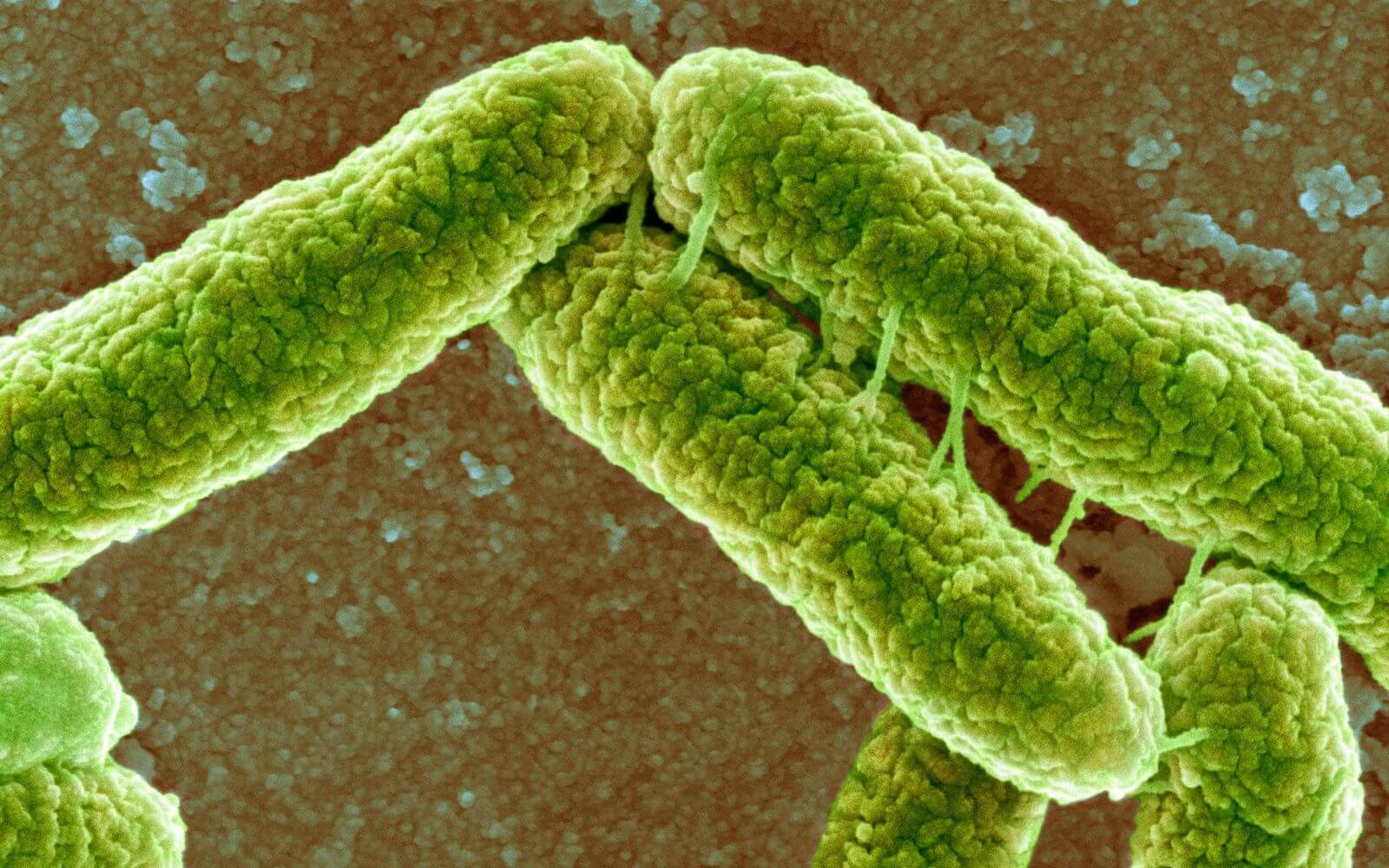
One essential component of many E. coli-based production processes is IPTG (Isopropyl β-D-1-thiogalactopyranoside).
The On Switch for Protein Production
In many expression systems, the target protein is not produced continuously. Instead, the corresponding gene remains inactive during the initial growth phase. Only after the bacterial culture has reached the desired cell density is protein production deliberately initiated.
This is precisely the role of IPTG.
After the inducer is added, the genetic repression is lifted, and the cells begin producing the desired protein. For process developers, this approach offers a major advantage: cell growth and protein expression can be separated in time. As a result, the production process can be controlled much more effectively.
Why IPTG Has Remained an Industry Standard for Decades
Despite numerous emerging technologies, IPTG continues to be a proven standard in many biotechnological production processes. There are several reasons for this.
One key advantage is that IPTG is not metabolized by the microorganisms as a nutrient source. Consequently, the inducer’s effect remains stable throughout the fermentation process. For process development, this translates into high reproducibility and reliable control of gene expression.
In addition, IPTG is easy to integrate into existing production workflows and is compatible with many established expression systems.
Particularly Important for Challenging Proteins
Not every recombinant protein can be produced easily by the host cell. Some proteins place a significant metabolic burden on the bacteria and may even inhibit cell growth.
For this reason, many companies rely on controlled induction strategies. First, a high biomass concentration is established, and then protein production is activated at the desired stage. This approach helps balance productivity and process stability more effectively.
This strategy has been widely used for many years in the development and manufacturing of enzymes, antigens, diagnostic proteins, and pharmaceutical ingredients.
From Laboratory Scale to Industrial Procurement
When people think of IPTG, they often picture small laboratory packages. For research applications, that may be sufficient. In industrial biotechnology, however, the reality looks very different.
As a process is successfully scaled up, the demand for critical process chemicals increases accordingly. Companies no longer require 25 g, 50 g, or 100 g quantities, but often several kilograms or even tens of kilograms.
At this stage, different criteria become increasingly important:
- Reliable supply chains
- Consistent batch-to-batch quality
- Appropriate packaging sizes
- Long-term availability
- Professional support for scale-up and production projects
- IPTG for Industrial Applications
Our focus is on supplying biotechnology, pharmaceutical, and life science companies with high-quality raw materials for production processes.
We do not view IPTG as a conventional laboratory reagent, but rather as a critical process component for industrial protein expression. Therefore, we focus on supporting customers who are transitioning from laboratory-scale development to pilot-scale or commercial production and require reliable kilogram-scale supply volumes.
After all, the success of a bioprocess depends not only on process design and operational excellence, but also on the availability of essential raw materials in the right quality, at the right time, and in the required quantities.
Planning to Scale Up Your Expression Process?
If you are preparing to scale up your expression process or require IPTG in kilogram quantities, we would be happy to discuss your requirements regarding quality, documentation, and supply security. Our team is ready to support your project.


 4c media