

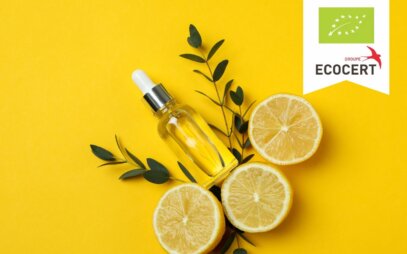
We are certified and provide you with selected raw material
We are pleased to anounce that we are certified according to Organic agriculture Europe (EU organic regulation EU 2018/848). By awarding the EU organic certification we are able to provide you with selected raw material from certified growers and trades all around the globe. These include the following principles: Ingredients are obtained from renewable raw […]
Read more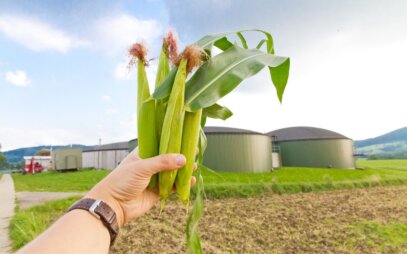
Biogas plants – components, function and increased efficiency
In rural areas, the green domes have long been familiar. But how exactly do biogas plants work? In essence, it can be said that a biogas plant produces a high-quality energy source from organic material. In principle, the production process of biogas is simple. Organic waste, liquid manure, solid manure, energy crops – all of […]
Read more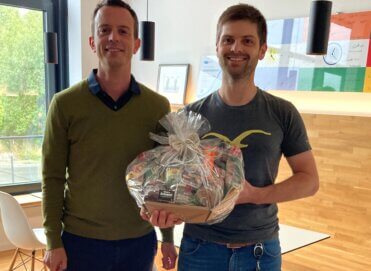
Congratulations on your 15th anniversary
Recently there was reason to celebrate within the Cfm team: Oliver Steinkohl’s 15th anniversary. The trained merchant in wholesale and foreign trade has been on board since 2008. As part of our two-person phyto team, he is indispensable. He is particularly known for his accuracy and his desire to make processes better. He has an […]
Read more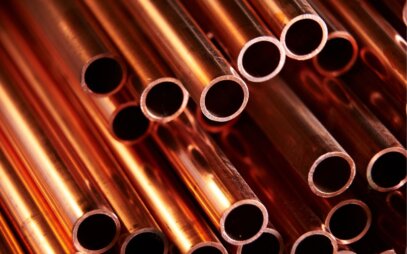
Element of the Month September: Copper
Copper has been with us humans for 10,000 years – from the first swords to the power cables in our smartphones. Even Ötzi had a copper axe with him. Copper (lat. Cuprum) is one of the chemical elements with the symbol Cu and atomic number 29. The element owes its Latin name to the island […]
Read more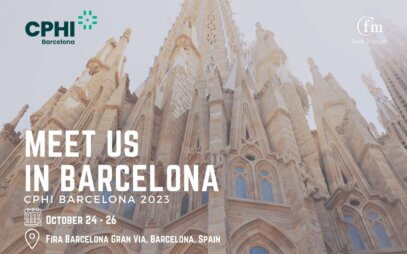
CPhI Barcelona
We look forward to meeting you at CPhI Barcelona from 24 to 26 October. Corinna Schroller, Michael Schäffler and Steffen Tropitzsch will be on site. You are welcome to make an appointment for a personal meeting.
Read more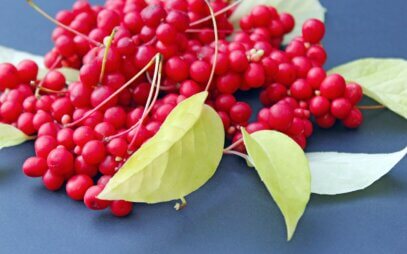
Schisandra – five flavours, versatile effects
It is small, red and one of the most important medicinal plants of Traditional Chinese Medicine (TCM): the Schisandra berry. The so-called fruit of the five flavors (Chinese: Wu Wei Zi) tastes sweet, sour, bitter, spicy and salty at the same time. In Traditional Chinese Medicine, each flavor has its own special healing power. The […]
Read more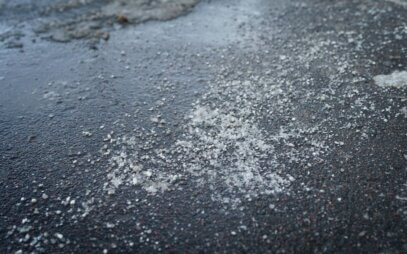
Element of the Month August: Sodium
Our element of the month for August is sodium. Everyone knows it and comes into contact with it every day. Without sodium, there would be no life. Conduction between the nerve cells would not work. Under normal conditions, sodium is a waxy, silvery, highly reactive metal. Sodium was discovered in 1807 by Humphry Davy after […]
Read more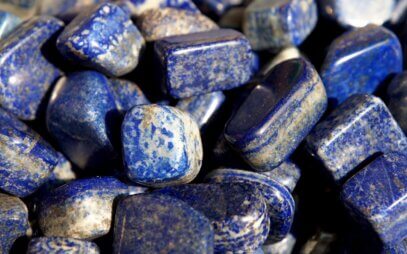
Element of the Month July: Cobalt
Did you know that cobalt was the first metal to be discovered? Cobalt (from Latin cobaltum – “kobold”) is a chemical element with the symbol Co and atomic number 27. The element was discovered and first depicted in 1735 by the Swedish chemist Georg Brandt. As early as the 15th century, miners in the Erzgebirge […]
Read more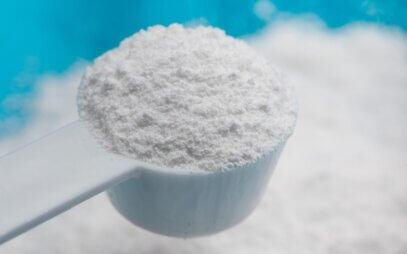
Metal soaps – versatile use in a wide range of industries
Metal soaps are salts of fatty acids. Most commonly used is stearic acid in combination with different metals such as calcium, zinc, magnesium or lead – but with the exclusion of sodium and potassium salts. The fatty acid salts of the sodium and potassium salts are water-soluble and are called soaps. Metal soaps are poorly […]
Read more
GA2023 Congress Dublin
We look forward to meeting you at the GA2023 Congress, July 2-5 at Trinity College Dublin. Dr. Sandra Miklos will be on site. You are welcome to make an appointment for a personal meeting here.
Read more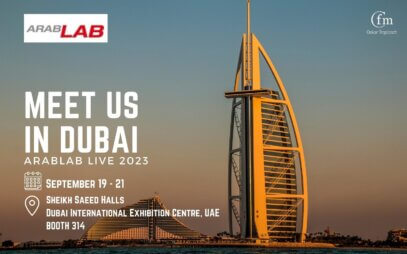
ARABLAB LIVE 2023
We look forward to meeting you at ARABLAB from 19 to 21 September 2023 in Dubai. Michael Schaeffler will be on site. Feel free to attend his lecture on rapamycin on September 20 at 1:00 p.m. at the Labworx Theatre. You are welcome to make an appointment for a personal meeting here. Get more information […]
Read more
mTOR inhibitor rapamycin (sirolimus) as a treatment option for tuberous sclerosis
Tuberous sclerosis is a very complex, incurable genetic disease. Within Germany, around 8,000 people are affected, and one to two million people worldwide. Tuberous sclerosis affects almost all organs. It leads, for example, to benign tumors or malformations in the brain. In addition, renal angiomyolipomas often form. These are also benign tumors of the kidney […]
Read more 4c media