



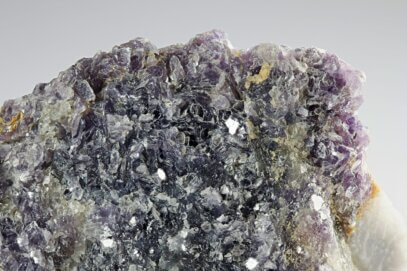
Element of the Month January: Lithium
Lithium is a chemical element in the group of alkali metals. Lithium is a light metal and has the lowest density of solid elements (under standard conditions). It is so soft that you can easily cut it with a regular knife. The element was discovered in a mineral in 1817 by J.A. Arfvedson, a Swedish […]
Read more
Bottleneck in pharmaceutical raw materials? We’ll find what you need.
Politicians are calling on pharmacies to produce their own formulations in order to bridge the supply bottlenecks for many medicinal products for human use. Above all, fever syrups containing ibuprofen and paracetamol for children are urgently needed, as are common antibiotics, tamoxifen and many other products. Benefit from our global network and our experience All […]
Read more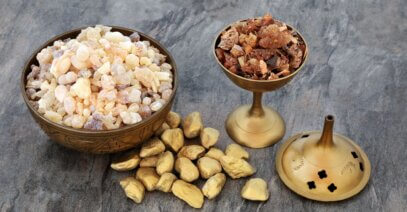
Gold, Frankincense, Myrrh – three biblical gifts in modern medicine
We all know the biblical story: three wise men from the Orient set out on a journey to bring valuable and healing gifts to Jesus after his birth: gold, frankincense and myrrh. At that time, these gifts were already considered as medicine and they still play a role in medicine today. Gold – from rheumatism […]
Read more
Medicinal plant of the month December: Common ivy (Hedera helix)
Common ivy (Hedera helix) is a tried and true plant known for its antispasmodic and expectorant properties. It relieves the symptoms of cough and bronchitis. The Hedera helix belongs to the Araliaceae family. It can be found in almost all European cultivated garden forms. Thanks to its adhesive roots, the evergreen climbing plant grows along […]
Read more
A blaze of color in the sky – this makes fireworks shine
As soon as the fireworks start on New Year’s Eve, the sky is covered with colorful lights. A shower of sparks, colorful fountains of light, accompanied by loud bangs – for many people, all of this is as much a part of New Year’s Eve as the Christmas tree is to Christmas. But how exactly […]
Read more
Ferulic acid – multifunctional plant active ingredient
Higher memory performance, effective skin protection, tasty aroma – all this is provided by ferulic acid. Years ago, a research team from Halle and Magdeburg found an active ingredient in the rose root plant that is said to work against dementia: an ester of ferulic acid (ferulic acid eicosyl ester FAE-20). Studies on fruit flies […]
Read more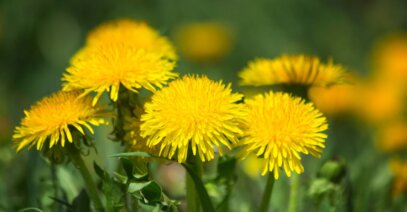
Medicinal Plant of the Month November: Dandelion (Taraxacum officinale)
Its leaves are reminiscent of a lion’s teeth – hence its name: dandelion. In the spring, the typical jagged leaves sprout from the ground, followed immediately by a stem up to 30 cm high. The bright yellow flowers soon appear, which after a short time develop into so-called dandelions. Children in particular enjoy this when […]
Read more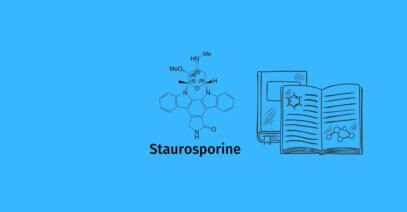
Staurosporine – antihypertensive, antifungal, antitumor
Staurosporine is a natural product that was isolated in 1977 from the bacterium Stepromyces staurosporeus. It is among the first of over 50 alkaloids isolated with this type of bisindole chemical structure [1,2]. Shortly after its discovery, various of its biological activities were demonstrated, which are still the subject of current research. Among other things, […]
Read more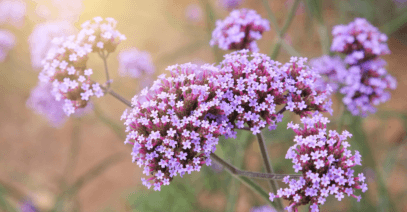
Medicinal Plant of the Month for October: Vervain (Verbena officinalis)
The name of our medicinal plant of the month October is no coincidence, because: In the past it was used to treat injuries caused by iron weapons and it also played a role in iron smelting: Vervain (Verbena officinalis). Vervain – miracle weapon against various ailments The healing properties of verbena were discovered in ancient […]
Read more
Medicinal plant of the month September: black cohosh
Even the indigenous peoples used the roots of the plant as a remedy and it is also used in modern phytotherapy: black cohosh. While it used to be used to treat snake bites, it is now considered a herbal alternative to hormone therapy in gynecology. Its effectiveness has been proven in several studies. Black cohosh: […]
Read more
Plant cholesterol: important development in vaccine production
Researchers have succeeded in producing pharmaceutical cholesterol from plant-based raw materials using a highly effective process. This opens up new possibilities, especially in vaccine production. In this way, large quantities of the molecule, which is urgently needed for the production of mRNA-based vaccines, can be made available in the future. Cholesterol: an essential building block […]
Read more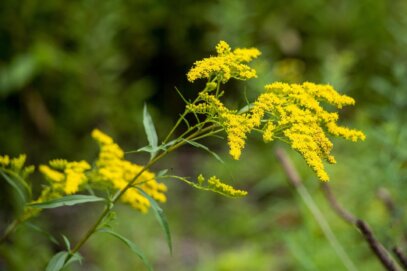
Medicinal Plant of the month August: the goldenrod
Goldenrod has been used to treat urinary tract infections for more than 700 years. The goldenrod’s Latin name, Solidago, means ‘healthy’. So it is no wonder that it is used as a medicinal plant. Goldenrod – effective for urinary tract infections Botanically, the goldenrod can be divided into two species: Goldenrod: reaches heights of up […]
Read more 4c media