


In Search of the Extraordinary – Rooted in the Soil of Colombia
In the early morning hours, when mist still drapes the lush green hills of Colombia like a veil and the first rays of sunlight pierce through the dense canopy, the day begins for many farmers with a glance at their fields.
Between Coffee Plantations and Wild Orchids
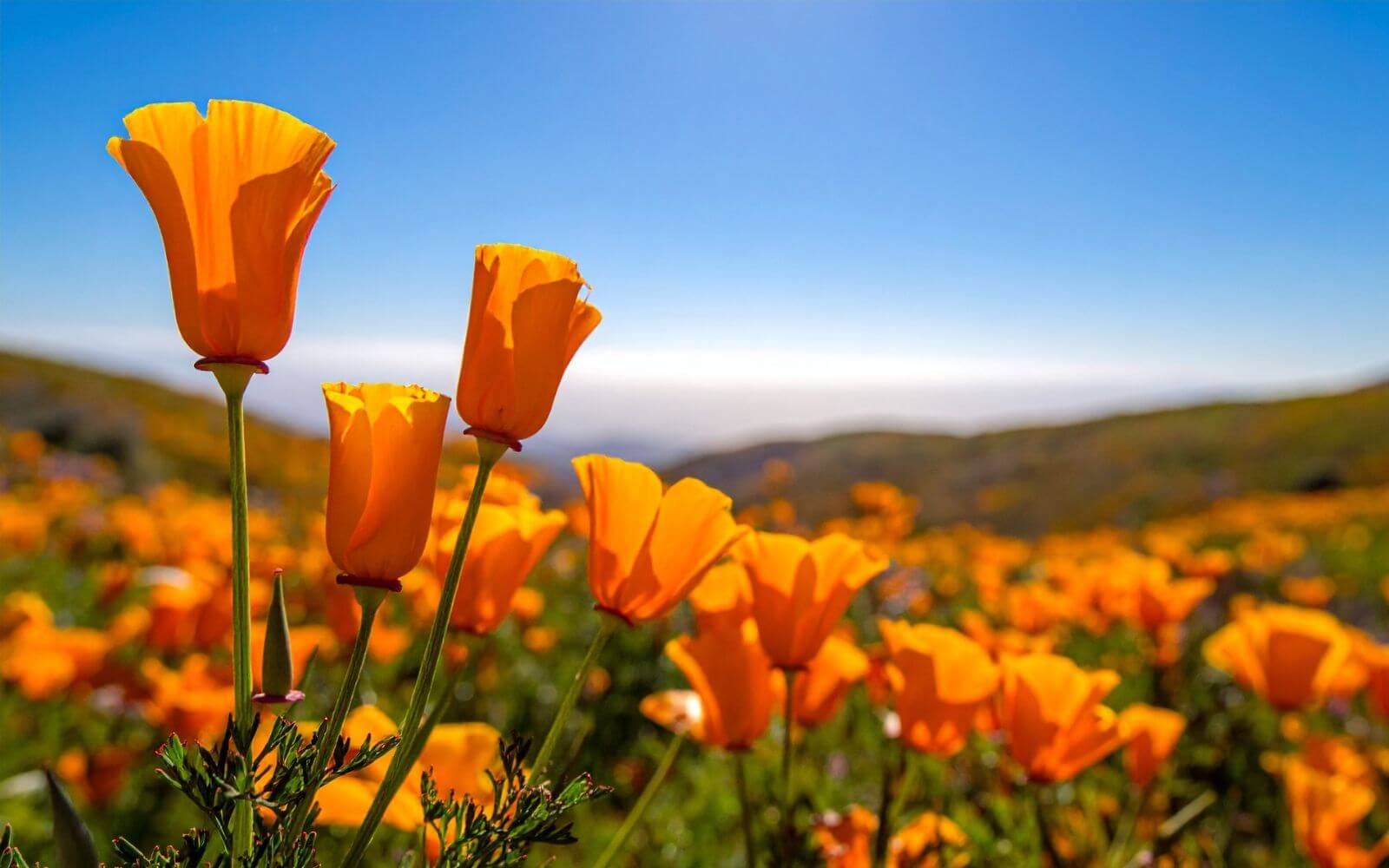
Here, where the soil is fertile and the climate as diverse as the flora itself, medicinal plants, spices, and botanical treasures flourish in their natural splendor. The air is filled with the scent of damp earth, jasmine, and freshly cut grass. Amidst this rich landscape between coffee plantations, and small villages where time seems to pass more slowly, a special story begins. It is the story of Dr. Marcel Flemming, a passionate botanist with a deep love for Latin America, and Luis, a Colombian plant expert with an extensive network. What started as a chance encounter at a New Year’s Eve party evolved into a crossborder partnership that connects not only plants but also cultures and people.
Their Hands Know Every Plant, Every Root
The farmers these two scouts work with are not anonymous suppliers. They are families who have lived in harmony with nature for generations. Their hands know every plant, every leaf, every root. They work with patience, knowledge, and deep respect for what nature provides. Thus begins an adventure and a collaboration shaped by cultural exchange and the search for rare treasures, rooted in the soil of Colombia.
From New Year’s Eve Party to Botanical Network
Dr. Marcel Flemming: “I’ve always had a strong affection for Latin America, especially after my first trip there in 2002. I met Luis a few years later at my own New Year’s Eve party. He was a friend of my PhD colleague, and we hit it off immediately.”
The connection to Cfm came through project manager Dr. Sandra Miklos:
“I met Marcel and Luis through a project here in Bavaria. Marcel cultivates Iris germanica, a client was looking for the plant’s roots. That’s how we started talking. Soon after, I learned that Luis is from Colombia and could grow and collect plants there. It didn’t take long before the first customer inquiries came in.”
Between Customs and Time Pressure
While the collaboration ran smoothly on a personal level, logistical challenges and customs regulations initially caused difficulties. Dr. Marcel Flemming recalls: “I remember the first projects: Tithonia diversifolia and Cassia grandis. We had no idea how customs would work and were under immense time pressure. Luis activated his network in Colombia and, in a very short time, found people who could identify both plants, collect and dry enough biomass, conduct botanical verification in a botanical garden, and organize the export. It was a masterstroke and quite the adventure…”
But bureaucratic hurdles weren’t the only challenge, Dr. Marcel Flemming remembers: “Communication with Colombian partners and their different mindset were also things we had to navigate. Plus, it’s generally difficult to build long-term relationships and reliable supply chains when customers don’t commit for extended periods. I think that’s actually the biggest issue.”
Colombian-Style Communication: Slow but Warm
“Communication is often rather slow“, Dr. Sandra Miklos agrees. Sending emails isn’t the farmers’ top priority. European expectations and Colombian realities sometimes clash. It’s always an adventure until the plants arrive in Germany. But that’s what makes it so exciting.”
The Neighbor’s Garden Becomes a Botanical Treasure Chest
Sometimes things go surprisingly smoothly, and the required plants can be grown by hand or happen to be growing next door. Dr. Marcel Flemming: “We cultivated Alpinia in our neighbor’s garden and on my small plot of land in Colombia.” Dr. Sandra Miklos contributes: “And Stachytarpheta, one of the first plants we searched for, happened to grow on his neighbor’s property.” She furthermore adds: “With Luis, we’ve gained a well-connected partner in and around Colombia, even reaching into Paraguay. When it comes to plants, we can cover a large part of Latin America.”
But why Colombia in particular? Dr. Flemming explains: “First, Luis is Colombian and knows almost the entire country through his connections (laughs). His family is there and can reliably help. Second, Colombia is one of the most biodiverse countries in the world, with nearly every climate zone and abundant resources. The people are incredibly kind and dependable, and Colombia isn’t burdened by overregulation.”
Growing Together – With Respect and a Handshake
From his perspective, working with Colombian farmers is a win-win situation. Reliability is key to building trust. Dr. Flemming: “Each project involves different partners, so the collaboration is always unique. What matters is building trust and not disappointing it. We pay good prices, well above the local market, but without going overboard. That makes our Colombian partners very happy to work with us. Germany is still seen as a role model, and people in Latin America are proud to collaborate with German partners.”
Cfm Oskar Tropitzsch continues to rely on connections in Colombia. Dr. Sandra Miklos concludes: “A large-scale project where plants are cultivated specifically for the European market would be especially exciting.”
 4c media