



Rapamycin / Sirolimus: Laboratory Chemical of the Month for July
Rapamycin, also known as Sirolimus, was first discovered in the 1970s on Easter Island (Rapa Nui).
Initially isolated as an antifungal agent, its diverse biological properties have led to a wide range of applications:
1. Laboratory Chemical: Rapamycin is extensively used in research, particularly for studying cell growth processes and signaling pathways. It is a crucial inhibitor of mTOR (mechanistic Target of Rapamycin). A protein that plays a central role in cell growth and metabolism.
2. Drug-Eluting Stents: In medicine, Rapamycin is used to coat coronary stents. Rapamycin inhibits cell growth and proliferation, particularly of smooth muscle cells that contribute to restenosis. This helps keep the artery open longer and reduces the risk of re-narrowing.
3. Treatment of Tuberous Sclerosis: Rapamycin has proven effective in treating Tuberous Sclerosis, a genetic disorder that causes benign tumors to form in various organs. It helps inhibit the growth of these tumors and alleviate symptoms.
4. Longevity Research: Recently, Rapamycin has gained attention in the field of longevity research. Studies have shown that it may have life-extending properties by reducing age-related cellular damage and improving health in old age.
Questions about Rapamycin? Visit us at the ARDD Meeting in Copenhagen!
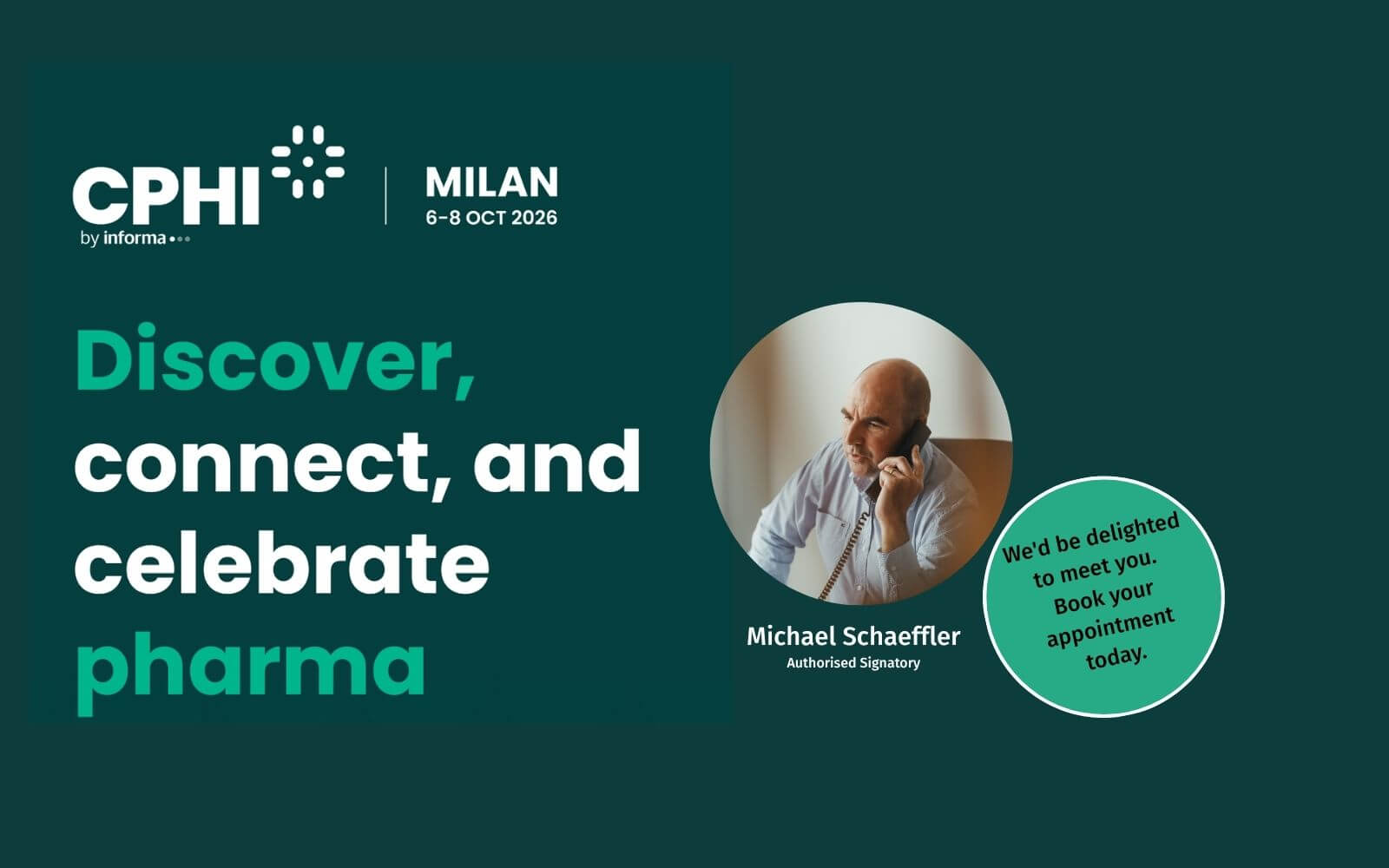
We are happy to provide detailed advice on the various applications of Rapamycin. Visit us at the “ARDD 2025 – The 12th aging research and drug discovery meeting”, where our expert Michael Schäffler will be participating from August 25 to 29.
You are also welcome to send him an e-mail.


 4c media